What is Manakish? The Flatbread You Need to Try
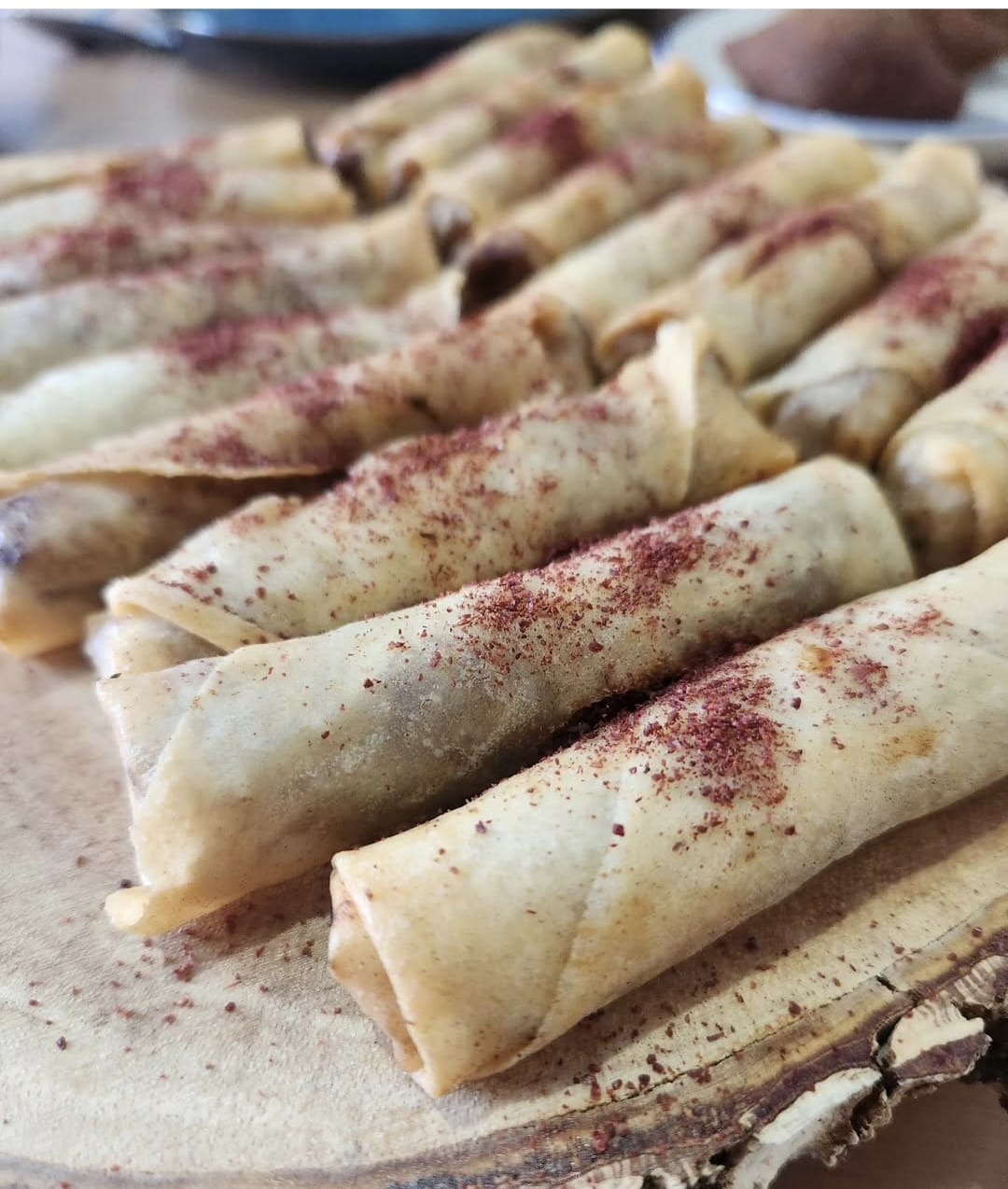
There is a flatbread that millions of people across the Middle East eat almost every single day, and most Canadians have never heard of it. It is called manakish (sometimes spelled manakeesh or mana'eesh), and once you try a good one, you will wonder how you went this long without it.
Manakish is the cornerstone of Levantine breakfast. In Lebanon, Syria, Palestine, and Jordan, bakeries open before dawn to make it fresh. People line up with their families, grab a few pieces wrapped in paper, and eat them on the way to work or at the kitchen table with mint tea and sliced tomatoes. It is simple, affordable, and deeply satisfying.
The History of Manakish in Middle Eastern Culture
The word "manakish" comes from the Arabic root meaning "to engrave" or "to stamp," which refers to the way fingers press the dough to create small indentations that hold the topping in place. This technique has been used for centuries. Ancient bakeries in the Levant were communal gathering spots where families would bring their prepared dough to be baked in a shared oven called a furn.
Long before commercial bakeries existed, women would prepare manakish dough at home, spread it with zaatar and olive oil, and carry it to the village oven on large wooden boards. The baker would slide each piece into the oven with a long wooden paddle, and families would return to collect their bread once it was done. This communal baking tradition is still alive in some rural areas of Lebanon and Palestine.
Manakish became a commercial product in the early 20th century as cities grew and bakeries became more common. By the mid-1900s, manakish bakeries were a fixture of every neighborhood in Beirut, Damascus, and Amman. Each bakery had its own dough recipe and zaatar blend, and regulars were fiercely loyal to their preferred spot. That same loyalty has traveled with the Lebanese and Palestinian diaspora to cities like Hamilton, Ontario, where bakeries now serve the same traditional recipes.
How Manakish Is Made from Scratch
Making good manakish starts with the dough. It is a simple mixture of flour, water, yeast, a touch of sugar, salt, and olive oil. The dough needs to rise until it is soft and pillowy. Unlike pizza dough, which is often stretched thin, manakish dough stays a bit thicker so it can hold its toppings and maintain a soft, chewy texture after baking.
Once the dough has risen, it is divided into balls and flattened by hand into rounds about eight to ten inches across. The baker then spreads the topping evenly across the surface, pressing it gently into the dough with their fingertips. This is where the "engraving" comes in. Those small finger impressions help the zaatar or cheese stay in place during baking and create pockets that catch olive oil.
The oven is crucial. Traditional manakish is baked at very high temperatures (around 500 to 600 degrees Fahrenheit) for just a few minutes. The heat needs to be intense enough to puff the dough quickly while keeping the inside soft. At Sandwilicious in Hamilton, the manakish are baked fresh throughout the day so there is always a warm batch ready. The dough is made each morning from scratch, not from a frozen or pre-made base.
Popular Manakish Varieties You Will Find in Hamilton
The beauty of manakish is its versatility. The dough stays the same, but the toppings change to suit every taste and time of day.
Zaatar Manakish: The classic. A generous spread of zaatar (dried thyme, sesame seeds, sumac, and salt) mixed with high-quality olive oil. The result is earthy, slightly tangy, and nutty. This is the version most people eat for breakfast, folded in half with sliced tomatoes and cucumber inside. It is one of the simplest foods you will ever eat, and one of the most satisfying.
Cheese Manakish: A blend of soft white cheeses (often akkawi or a mix that includes mozzarella) is spread across the dough and baked until bubbly and golden. The cheese should be salty, stretchy, and slightly tangy. Some bakeries add a sprinkle of nigella seeds or dried mint on top. This is the version that kids tend to love, and honestly, adults too.
Halloumi Manakish: Halloumi is a semi-hard, brined cheese originally from Cyprus that has become a staple across the Levant. When baked on manakish, it softens and gets golden brown at the edges without fully melting. The texture is squeaky and satisfying, with a saltiness that pairs well with fresh mint or a squeeze of lemon.
Mixed Manakish (Zaatar and Cheese): Why choose? The mixed version gives you the herby tang of zaatar on one half and melted cheese on the other. It is the best of both worlds and a popular choice at Sandwilicious for people who want to try everything.
Lahmajoun (Meat Manakish): A thin layer of spiced ground lamb or beef mixed with tomatoes, onions, and peppers is spread on the dough and baked until the meat is cooked through. This is technically a cousin of manakish rather than a variety, and it leans more toward a Turkish tradition, but it shows up in many Levantine bakeries. It is often rolled up with fresh parsley, a squeeze of lemon, and pickled turnips.
Why Manakish Is More Than Just Flatbread
In the Levant, manakish is not just food. It is a daily ritual. The morning trip to the bakery is a social event. You see your neighbors, you chat with the baker, you argue about whether zaatar or cheese is better (the answer is zaatar, but cheese people are passionate). Families eat it together at the breakfast table, often alongside labneh, olives, fresh vegetables, and sweet mint tea.
For people who have immigrated from the Levant to Hamilton and other Canadian cities, manakish carries the weight of home. It is the taste of childhood mornings, of grandmothers who knew exactly how much olive oil to mix into the zaatar, of neighborhood bakeries that smelled like warm bread at 6 a.m. When a bakery in Hamilton makes manakish the right way, it is not just serving food. It is preserving a connection to a place and a tradition.
That emotional weight is why people care so much about quality. A mediocre manakish is not just disappointing food. It is a missed opportunity to feel at home. This is something the team at Sandwilicious understands deeply, which is why the dough is made fresh, the zaatar blend is carefully sourced, and the oven is kept at the right temperature all day long.
How to Eat Manakish the Traditional Way
There is no wrong way to eat manakish, but there are some traditional approaches worth trying.
Folded with fillings: Take a piece of zaatar manakish, lay sliced tomatoes, cucumber, and a few fresh mint leaves in the center, fold it in half, and eat it like a sandwich. This is the most common way manakish is eaten for breakfast across the Levant. The warmth of the bread softens the vegetables slightly, and the combination of flavors is perfect.
Torn and dipped: Tear pieces of manakish and use them to scoop up hummus, labneh (strained yogurt), or baba ganoush. This turns manakish into the base for a shared spread and is great for groups.
Rolled up: For lahmajoun-style meat manakish, roll it up tightly with fresh herbs and a squeeze of lemon inside. Eat it like a wrap.
As-is: Honestly, a warm piece of cheese manakish eaten standing at the counter, straight out of the oven, is one of life's great pleasures. No additions needed.
Where to Find the Best Manakish in Hamilton, Ontario
Hamilton's growing Middle Eastern food scene means you have several options for manakish, but quality varies significantly. The key things to look for: Is the dough made fresh daily? Is the zaatar blend high quality (it should taste herby and bright, not dusty)? Is the bread baked to order or sitting under a heat lamp?
At Sandwilicious, located at 592 Upper James St in Hamilton, manakish is one of the signature items. The dough is prepared every morning, and fresh rounds are baked throughout the day. The zaatar blend is mixed with good olive oil, and the cheese varieties use traditional Lebanese cheeses rather than cheaper substitutes. You can order for dine-in, takeout, or call ahead at (647) 973-4020.
If you are exploring authentic Levantine food in Hamilton for the first time, manakish is the perfect starting point. It is affordable, approachable, and gives you an immediate sense of what Levantine baking is all about. Pair it with a side of fatteh or foul moudammas, and you have a complete Levantine breakfast that will carry you through the morning.
For a broader look at halal breakfast options across Hamilton, manakish is just the beginning. But it is arguably the most important beginning there is.
Frequently Asked Questions
Manakish (also spelled manakeesh or mana'eesh) is a Levantine flatbread baked in a very hot oven and topped with various ingredients. The most traditional topping is zaatar mixed with olive oil, but cheese, ground meat, and mixed toppings are also popular. It is the most common breakfast food in Lebanon, Syria, Palestine, and Jordan, often eaten fresh from the bakery with tea or alongside fresh vegetables.
While manakish looks similar to pizza, the dough is different. Manakish dough is softer, slightly thicker, and more bread-like than pizza dough. It does not use tomato sauce as a base. Instead, toppings go directly on the dough. The baking time is shorter and at a higher temperature, resulting in a softer, chewier texture. Manakish is typically eaten for breakfast or as a snack, not as a dinner food.
Zaatar is a spice blend made from dried wild thyme, toasted sesame seeds, sumac, and salt. When mixed with olive oil, it forms a paste that is spread on manakish dough before baking. The combination of earthy thyme, nutty sesame, and tangy sumac creates a flavor that is savory, slightly sour, and deeply aromatic. Zaatar has been used in Levantine cooking for centuries and is considered a staple ingredient in the region.
Sandwilicious at 592 Upper James St in Hamilton bakes fresh manakish throughout the day. They offer zaatar, cheese, halloumi, and mixed varieties. The dough is made from scratch each morning, and the manakish are baked to order in a hot oven. You can call ahead at (647) 973-4020 or visit in person. Hamilton has several bakeries offering manakish, but Sandwilicious is known for the quality and freshness of its flatbreads.
Zaatar manakish is naturally vegan since the topping is just dried herbs, sesame seeds, sumac, and olive oil on regular bread dough. Cheese and meat versions are not vegan but can be adapted. Gluten-free manakish is more challenging since the dough is wheat-based and the texture depends on gluten development. Some home bakers experiment with gluten-free flour blends, but traditional bakeries typically use wheat flour exclusively.
Try Our Fresh-Baked Manakish
Zaatar, cheese, halloumi, or mixed. Baked fresh throughout the day at Sandwilicious in Hamilton.
View Our Full Menu