The Art of Fatteh: History of a Levantine Breakfast Classic
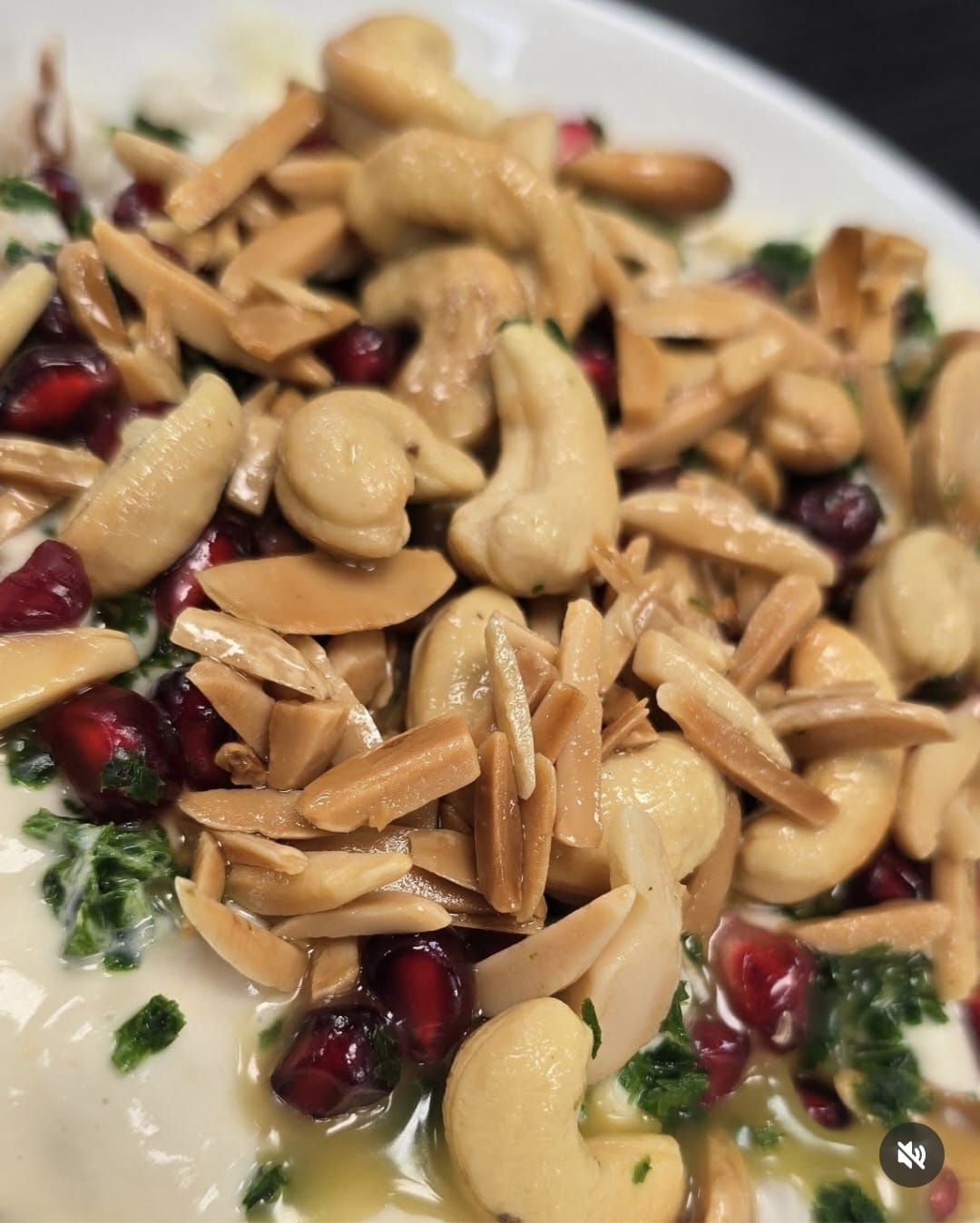
Some dishes tell you everything you need to know about a culture in a single bite. Fatteh is one of those dishes. It is humble in its ingredients but sophisticated in its construction, and it has been a breakfast staple across the Levant for centuries. If you have never tried it, you are in for something special.
At its core, fatteh is layers. Crispy, golden pieces of toasted or fried pita bread form the foundation. Warm, tender chickpeas sit on top. And over everything, a generous pour of cool, tangy yogurt-tahini sauce brings it all together. The finish is a scattering of toasted pine nuts or almonds and a final drizzle of olive oil or spiced butter. Every spoonful hits you with crunch, creaminess, warmth, and nuttiness all at once.
The Origins and History of Fatteh
The word "fatteh" comes from the Arabic word "fatt," which means to crumble or break into pieces. It refers to the way day-old bread is broken up and repurposed as the base of the dish. Like many great traditional foods, fatteh was born from practicality. Bread in the Levant was (and still is) baked daily, and yesterday's bread needed to be used before it went stale. Soaking or frying it and building a dish around it was the solution.
Historical food writers trace variations of fatteh back to at least the 13th century, with recipes appearing in medieval Arab cookbooks. The dish evolved differently across the region. In Damascus, fatteh became closely associated with breakfast and with celebrations, particularly during Eid. In Palestine, it developed into a dish called "fatteh hummus" where the chickpea component became central. In Egypt, a cousin dish called "fattah" appears at festive meals, often made with rice and lamb instead of chickpeas.
The common thread across all these variations is the layered construction and the idea of transforming simple bread into something greater. It is a dish that respects ingredients and wastes nothing. That philosophy runs deep in Levantine cooking, where resourcefulness is not just a virtue but a way of life.
The Key Ingredients That Make Fatteh Special
Fatteh is not a complicated dish, but each ingredient matters. Here is what goes into a traditional Levantine fatteh and why each component is important.
Pita bread: The base layer. It should be toasted or deep-fried until golden and crispy. The bread needs to be firm enough to hold up under the weight of the chickpeas and sauce for a few minutes without turning completely soggy. Some restaurants bake their pita chips in the oven for a lighter version, but the traditional deep-fried approach gives a richer flavor and better crunch. At Sandwilicious in Hamilton, the pita is hand-fried to get that perfect golden color and shattering texture.
Chickpeas: Cooked until tender but not mushy. They should hold their shape when you scoop them up but be soft enough to mash easily with the back of a spoon. The cooking liquid from the chickpeas is sometimes used to moisten the bread layer slightly before assembly. Good chickpeas are the backbone of the dish. They provide protein, fiber, and a nutty earthiness that balances the richness of the sauce.
Yogurt-tahini sauce: This is where fatteh becomes fatteh. The sauce is a blend of thick, tangy yogurt and smooth tahini (sesame paste), thinned with a little lemon juice and sometimes garlic. The balance has to be right. Too much yogurt and it tastes like a salad dressing. Too much tahini and it becomes heavy. The best versions have a silky, pourable consistency and a flavor that is creamy, tangy, and nutty all at once.
Toasted nuts: Pine nuts are traditional and expensive, which is why many restaurants also use almonds or a mix. They are toasted in butter or olive oil until golden, and they add a crucial textural element. Without the nuts, fatteh loses some of its complexity.
Finishing oil: A drizzle of good olive oil or spiced butter (butter infused with paprika or cumin) goes over the top just before serving. It adds richness and helps the nuts glisten. The visual effect matters too. A properly assembled fatteh should look as good as it tastes.
How Fatteh Is Assembled and Served
Fatteh is traditionally served in a wide, shallow bowl or on a large plate, and it is assembled in order from bottom to top. Timing matters because the dish needs to be served quickly after assembly. Wait too long and the pita loses its crunch entirely.
First, the fried or toasted pita pieces are spread across the bottom of the bowl. Some cooks drizzle a small amount of the chickpea cooking liquid or melted butter over the bread to give it a head start on soaking, but not so much that it turns soggy before the other layers go on.
Next, the warm chickpeas are spooned over the bread. They should be freshly cooked or reheated, because the warmth of the chickpeas is part of the experience. Cold chickpeas on warm bread does not work the same way.
Then the yogurt-tahini sauce is poured generously over everything. It should cascade down through the layers, coating the chickpeas and starting to soak into the bread. The sauce should be at room temperature, not cold from the fridge. A chilled sauce would cool down the chickpeas too quickly.
Finally, the toasted nuts and finishing oil go on top. The fatteh is served immediately with a spoon for scooping. Eating fatteh is about getting a bit of every layer in each bite: crunchy bread, tender chickpeas, creamy sauce, and toasted nuts all together.
Regional Variations of Fatteh Across the Levant
One of the fascinating things about fatteh is how it changes from city to city and country to country across the Levant. The basic structure stays the same, but the details shift.
Syrian fatteh (Damascus style): Often considered the gold standard. The yogurt is particularly thick and tangy, the chickpeas are cooked until very tender, and the pita is deep-fried to a deep golden color. Pine nuts are the traditional nut, toasted in clarified butter. Damascus-style fatteh is often served during celebrations and religious holidays, particularly during Eid al-Fitr to break the Ramadan fast.
Palestinian fatteh: Tends to include more garlic in the yogurt sauce and sometimes uses a larger proportion of chickpeas. Some Palestinian versions add a small amount of cumin to the chickpeas for extra warmth. The dish is commonly served for breakfast and is associated with hospitality. When guests visit, fatteh is one of the dishes that shows care and effort.
Jordanian fatteh: In Jordan, fatteh sometimes appears in more substantial forms, with layers of rice and even lamb. This version is called "mansaf" in its most elaborate form, though simpler versions stick to the bread-chickpea-yogurt formula. Jordanian fatteh often uses jameed (dried fermented yogurt) reconstituted into a sauce, which gives a tangier, more complex flavor than fresh yogurt.
Lebanese fatteh: Lebanese versions often lean toward lighter preparations, with baked rather than fried pita and a thinner, more pourable sauce. Fresh herbs like parsley or mint might appear as a garnish. The Lebanese approach tends to be more refined and restaurant-friendly, which is why it is often the version you see in high-end Middle Eastern restaurants in North America.
Health Benefits of Fatteh
Beyond being delicious, fatteh actually provides a well-rounded nutritional profile. Chickpeas are one of the best plant-based sources of protein and dietary fiber. A single serving of fatteh delivers a significant amount of both, which helps keep you full and provides sustained energy through the morning.
Yogurt brings probiotics (beneficial gut bacteria), calcium, and additional protein. If you are looking for foods that support digestive health, the combination of fiber-rich chickpeas and probiotic yogurt is hard to beat.
Tahini, made from ground sesame seeds, is rich in healthy monounsaturated and polyunsaturated fats. It also provides iron, magnesium, and B vitamins. Olive oil adds more heart-healthy fats and antioxidants. The nuts on top contribute vitamin E and additional minerals.
The one component that is more indulgent than nutritious is the fried pita, but even that provides energy and satisfaction. Overall, fatteh is a surprisingly balanced meal. It covers protein, fiber, healthy fats, and essential micronutrients. Compare that to a typical North American breakfast of sugary cereal or a muffin, and fatteh looks like a nutritional powerhouse.
Where to Find Authentic Fatteh in Hamilton
If you are in Hamilton, Ontario, and you want to try fatteh made the traditional way, Sandwilicious at 592 Upper James St is one of the best places to go. The fatteh there is built with hand-fried pita chips (not baked or store-bought), warm chickpeas cooked from dried (not canned), and a house-made yogurt-tahini sauce that hits the right balance of tangy and creamy. Toasted almonds and pine nuts finish the dish.
Fatteh is part of a broader Levantine breakfast tradition that also includes foul moudammas, manakish, labneh, and fresh vegetables. If you want the full experience, order a few dishes and share them. That is how breakfast works in the Levant: communal, generous, and unhurried.
For more on Levantine breakfast culture in Hamilton, read our guide to the best halal breakfast spots in the city. And if you are curious about the broader world of authentic Levantine food in Hamilton, we have written about that too. Fatteh is just one piece of a much larger and very rewarding culinary puzzle.
You can visit Sandwilicious any morning or call ahead at (647) 973-4020 to ask about fatteh availability. It is the kind of dish that is worth planning your morning around.
Frequently Asked Questions
Fatteh is a traditional Levantine dish built in layers: toasted or fried pieces of pita bread on the bottom, warm chickpeas in the middle, and a creamy yogurt-tahini sauce poured over the top. It is finished with toasted pine nuts or almonds and a drizzle of olive oil or spiced butter. The name comes from the Arabic word meaning "to crumble," referring to the broken bread that forms the base of the dish.
Fatteh is a study in contrasts. The pita on the bottom is crispy and golden, the chickpeas are warm and earthy, and the yogurt-tahini sauce is cool, tangy, and creamy. The toasted nuts add crunch, and the olive oil or spiced butter ties everything together with richness. The overall flavor is savory, slightly tangy from the yogurt, and nutty from the tahini and pine nuts. It is comfort food at its most satisfying.
Fatteh contains several nutritious components. Chickpeas are high in protein and fiber. Yogurt provides probiotics and calcium. Tahini is rich in healthy fats and minerals. Olive oil adds heart-healthy monounsaturated fats. The fried pita adds calories, but the overall dish provides a good balance of macronutrients. It is filling without being overly heavy, and the combination of protein and fiber helps sustain energy through the morning.
Fatteh is traditionally a breakfast dish in the Levant, particularly in Syria, Palestine, and Jordan. It is hearty enough to start the day and is often served alongside other breakfast items like foul moudammas, fresh bread, and tea. However, many people enjoy it at any time of day. In Hamilton, restaurants like Sandwilicious serve it as a breakfast and brunch item, though it can be ordered whenever it is available.
Sandwilicious at 592 Upper James St in Hamilton serves traditional fatteh made with hand-fried pita, warm chickpeas, and a house-made yogurt-tahini sauce topped with toasted almonds and pine nuts. It is available as a breakfast and brunch item. Call (647) 973-4020 to check availability or visit in person. Fatteh is best eaten fresh, so ordering it at the restaurant rather than for delivery gives you the best experience.
Taste Our Traditional Fatteh
Crispy pita, warm chickpeas, yogurt-tahini sauce, toasted nuts. Made fresh at Sandwilicious in Hamilton.
View Our Full Menu