Authentic Levantine Food in Hamilton: A Complete Guide
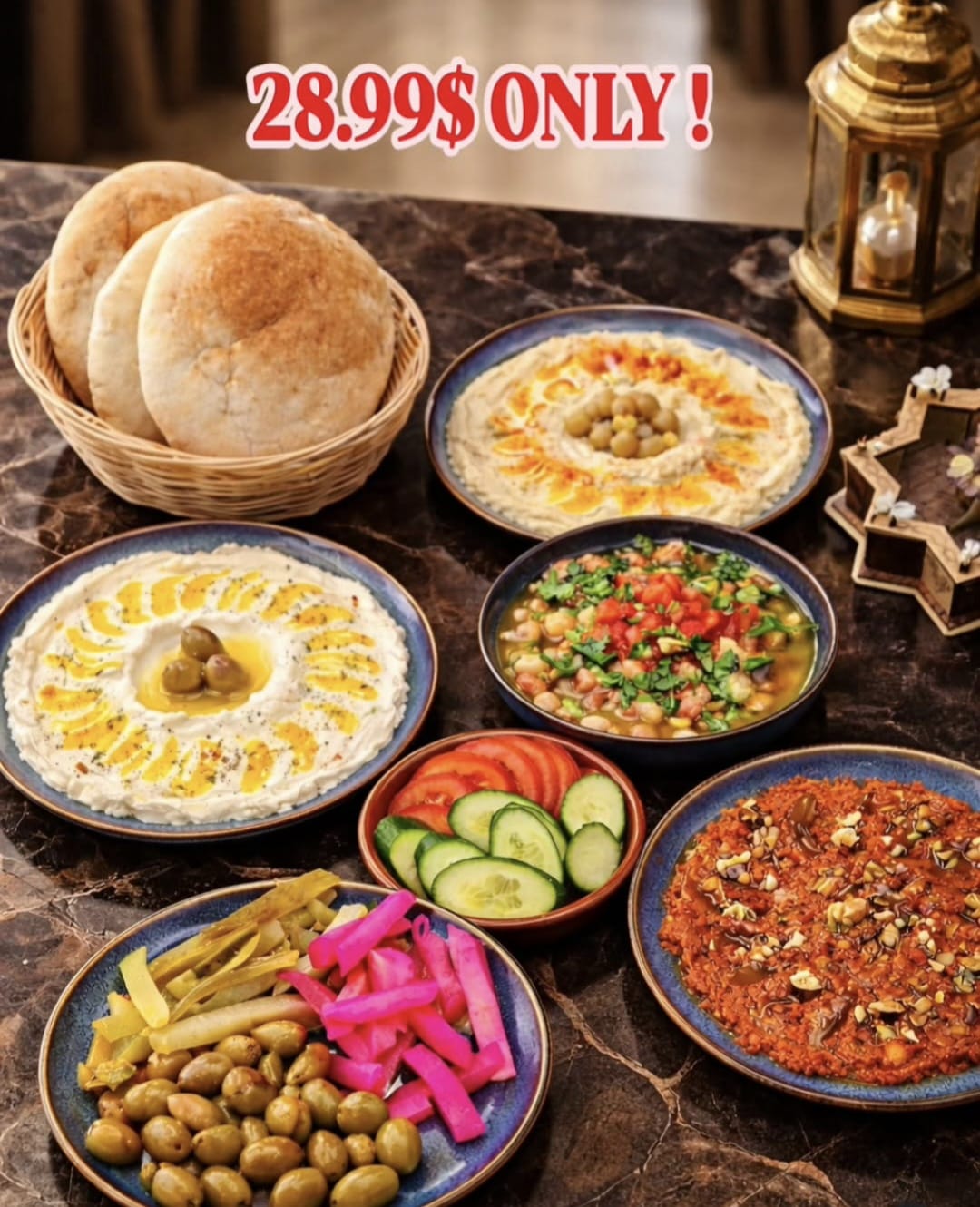
If you have spent any time walking along Upper James Street in Hamilton, Ontario, you have probably noticed the growing number of Middle Eastern restaurants, bakeries, and grocery shops. Hamilton has quietly become one of the best cities in Canada for Levantine food, and once you understand why, you will never look at the local dining scene the same way again.
Levantine cuisine comes from the Eastern Mediterranean, a region that spans modern-day Syria, Lebanon, Palestine, and Jordan. It is one of the oldest and most refined food traditions on Earth, shaped by thousands of years of agriculture, trade, and community. And in Hamilton, a new generation of cooks is bringing those traditions to life with the same care and ingredients their families have used for generations.
What Makes Levantine Cuisine Unique in Hamilton
Unlike the heavy, meat-centric cooking you might associate with some Middle Eastern traditions, Levantine food leans into freshness. Olive oil is the backbone. Lemon juice, sumac, and pomegranate molasses provide brightness. Herbs like flat-leaf parsley, mint, and dill show up in almost everything. The proteins are there (think shawarma, kafta, and grilled chicken), but they share the plate equally with salads, grains, and dips.
What sets Hamilton's Levantine restaurants apart from, say, a generic Middle Eastern spot in a food court is authenticity. The cooks here are not adapting recipes for a broad audience. They are making the food they grew up eating, the same way their parents made it. At Sandwilicious, for example, the fatteh is built with hand-fried pita chips and a yogurt-tahini sauce that takes time and attention to get right. The manakish dough is made fresh each morning. That is the difference between a restaurant that serves Middle Eastern food and one that lives it.
The Essential Levantine Dishes You Need to Try
If you are new to Levantine food, here is where to start. These are the dishes that define the cuisine, and you can find all of them in Hamilton.
Manakish: A flatbread baked in a hot oven and topped with zaatar (a blend of dried thyme, sesame seeds, and sumac mixed with olive oil), cheese, or both. It is the most common breakfast food in the Levant, and once you try a good one, you will understand why. Read our full guide to what manakish is and why it matters.
Fatteh: Layers of toasted or fried pita, chickpeas, and a warm yogurt-tahini sauce, often topped with pine nuts and a drizzle of spiced butter. It is comfort food at its most satisfying. We wrote an entire piece about the art and history of fatteh.
Hummus: Yes, you have had hummus before. But have you had it freshly made, still warm, drizzled with good olive oil and served with bread that just came out of the oven? That is a different experience entirely. The texture should be impossibly smooth, and the tahini should be pronounced, not hidden.
Foul Moudammas: Slow-cooked fava beans mashed with garlic, lemon juice, and olive oil. It is the breakfast of champions across the Levant. Hearty, protein-packed, and deeply satisfying. You will find it on the halal breakfast menus across Hamilton.
Shawarma: Thinly sliced marinated meat (chicken or beef), slow-roasted on a vertical spit, then wrapped or plated with pickles, garlic sauce, and fresh vegetables. The key is the marinade and the slicing technique. Good shawarma should be juicy, slightly charred at the edges, and packed with flavor.
Fattoush: A bright, crunchy salad made with mixed greens, tomatoes, cucumbers, radishes, and crispy pieces of fried pita. The dressing is a tangy mix of lemon juice, olive oil, and sumac. It is the perfect side dish, or a light meal on its own.
A Brief History of Levantine Food Traditions
Levantine cuisine is not a modern invention. Its roots stretch back to the ancient civilizations of Mesopotamia and the Fertile Crescent, where agriculture first took hold. Wheat, barley, lentils, chickpeas, olive trees, and fig trees were all cultivated in this region thousands of years ago, and they remain staples of the cuisine today.
The Ottoman Empire had a huge influence on the food of the Levant, introducing techniques for stuffed vegetables (mahshi), layered pastries (baklava), and the use of yogurt in cooking. Trade routes through the region brought spices from India and dried fruits from Persia. Each village and family developed its own variations, which is why two hummus recipes from neighboring towns can taste completely different.
When Levantine families immigrated to Canada, they brought these recipes with them. Hamilton has been a particularly welcoming home for these traditions, thanks to its large Middle Eastern and North African communities. The result is a city where you can find genuinely traditional Levantine food without getting on a plane.
Why Hamilton Is a Hub for Middle Eastern Food in Ontario
Hamilton's food scene has changed dramatically over the past decade. Where the city was once known mostly for steel mills and Tim Hortons, it has become a legitimate destination for people who care about what they eat. The Upper James Street corridor, in particular, has blossomed into a stretch where you can find bakeries, butchers, and restaurants serving food from across the Middle East.
The reason is straightforward: community. Hamilton has welcomed significant numbers of immigrants from Syria, Palestine, Lebanon, and Iraq in recent years. These families brought their food traditions, and many have opened businesses to share them. The demand is there too. Hamiltonians are curious eaters, and the city's affordability (compared to Toronto) means that smaller, family-run restaurants can survive and thrive.
Sandwilicious, located at 592 Upper James St, is a prime example. The restaurant was built on the idea that Hamilton deserves the same quality of Levantine food you would find in Amman or Beirut. Everything is made from scratch, the portions are generous, and the prices are honest. It is the kind of place where you come for lunch and leave with enough food for dinner too.
How to Order Levantine Food Like a Local
If you are walking into a Levantine restaurant for the first time, here are a few tips that will help you get the most out of the experience.
Order family-style. Levantine food is meant to be shared. Instead of everyone ordering their own plate, get a spread: a couple of dips, some flatbread, a meat dish, and a salad. Pass everything around the table. This is how the food is meant to be eaten, and it is more fun that way.
Do not skip the bread. In Levantine cuisine, bread is not a side dish. It is an essential utensil. You use it to scoop hummus, wrap shawarma, and mop up the olive oil and juices left on the plate. Fresh manakish or pita makes or breaks the meal.
Ask about the daily specials. Many Levantine restaurants, including Sandwilicious, rotate dishes based on what is fresh and what takes time to prepare. Fatteh, for instance, is often a breakfast or weekend special. If you see something on the board that is not on the printed menu, go for it.
Save room for dessert. Levantine sweets are a world unto themselves. Mohalayieh (a milk pudding perfumed with rose water and topped with pistachios), knafeh (a warm cheese pastry soaked in syrup), and baklava are all worth your attention.
What Sets Sandwilicious Apart from Other Hamilton Restaurants
There are plenty of places in Hamilton where you can get a shawarma wrap. What makes Sandwilicious different is the depth of the menu and the quality of the preparation. This is not a fast-food counter that happens to serve Middle Eastern food. It is a restaurant built around the full spectrum of Levantine cooking.
The Chicken Supreme sandwich has become one of the most talked-about items in the area, not because of marketing, but because people keep coming back for it and telling their friends. The manakish are baked fresh throughout the day, not reheated from a batch made hours ago. The desserts are made in-house, which is increasingly rare.
If you have never tried Levantine food, or if you have only had the watered-down versions that show up in mall food courts, Hamilton is the place to change that. And Sandwilicious at 592 Upper James St is a great place to start. Call (647) 973-4020 or just walk in.
Levantine Food for Every Diet and Preference
One of the great strengths of Levantine cuisine is how naturally it accommodates different dietary needs. Vegetarian? Half the menu is built for you: hummus, foul, falafel, fattoush, grape leaves, manakish with zaatar. Vegan? Many of those same dishes work without any modifications. Gluten-sensitive? Rice-based dishes, grilled meats, and dips are naturally gluten-free (just skip the bread, though we recommend you do not).
All meat served at Sandwilicious is halal, which matters to a significant portion of Hamilton's dining community. But halal preparation is not just about religious compliance. It is about care. The animals are raised and processed according to specific standards, and many diners (Muslim or not) find that halal meat simply tastes better. If you are looking for halal breakfast options in Hamilton, Sandwilicious is one of the best places to start your morning.
Exploring Levantine Food Beyond Hamilton
Hamilton is a fantastic home base, but Levantine food is growing across all of Ontario. Toronto, Mississauga, London, and Kitchener-Waterloo all have their own Levantine restaurant scenes. We put together a guide to the best Levantine food spots across Ontario if you want to explore further.
But we are biased. We think Hamilton does it best. The community is tight, the restaurants care deeply about quality, and the prices have not been inflated the way they have in Toronto. Come hungry, bring friends, and let the food do the talking.
Frequently Asked Questions
Levantine food refers to the cuisine of the Eastern Mediterranean region, including Syria, Lebanon, Palestine, and Jordan. It features fresh ingredients like olive oil, herbs, legumes, and grains. Common dishes include hummus, manakish, fatteh, falafel, and shawarma. The cuisine is known for its bold spices, communal dining style, and generous use of fresh vegetables.
Levantine cuisine is lighter and more herb-forward than Gulf or North African cooking. It relies heavily on olive oil rather than butter, features more raw and fresh vegetable dishes, and uses spice blends like zaatar and sumac rather than heavy curry-style spices. The emphasis is on balance: acid from lemon and pomegranate, richness from tahini and yogurt, and freshness from parsley, mint, and tomatoes.
Start with manakish (flatbread topped with zaatar or cheese), hummus with warm pita, and a shawarma plate. For breakfast, try fatteh or foul moudammas with fresh bread. If you have a sweet tooth, mohalayieh (milk pudding with rose water and pistachios) is a must. These dishes give you a well-rounded introduction to Levantine flavors without being too unfamiliar.
Sandwilicious at 592 Upper James St in Hamilton serves authentic Levantine dishes made from scratch daily. The menu includes manakish, fatteh, foul moudammas, shawarma, and traditional desserts. Hamilton's Upper James corridor has become a hub for Middle Eastern dining, and Sandwilicious stands out for its commitment to traditional preparation methods.
Traditional Levantine food is rooted in Islamic and Christian culinary traditions from the region, and many dishes are naturally halal. At Sandwilicious in Hamilton, all meat is halal-certified. Many Levantine dishes are also vegetarian or vegan by nature, such as hummus, falafel, foul moudammas, and fattoush, making them suitable for a wide range of dietary preferences.
Ready to Taste the Levant?
Visit Sandwilicious at 592 Upper James St, Hamilton, Ontario. Fresh Levantine food made from scratch, every single day.
View Our Full Menu